

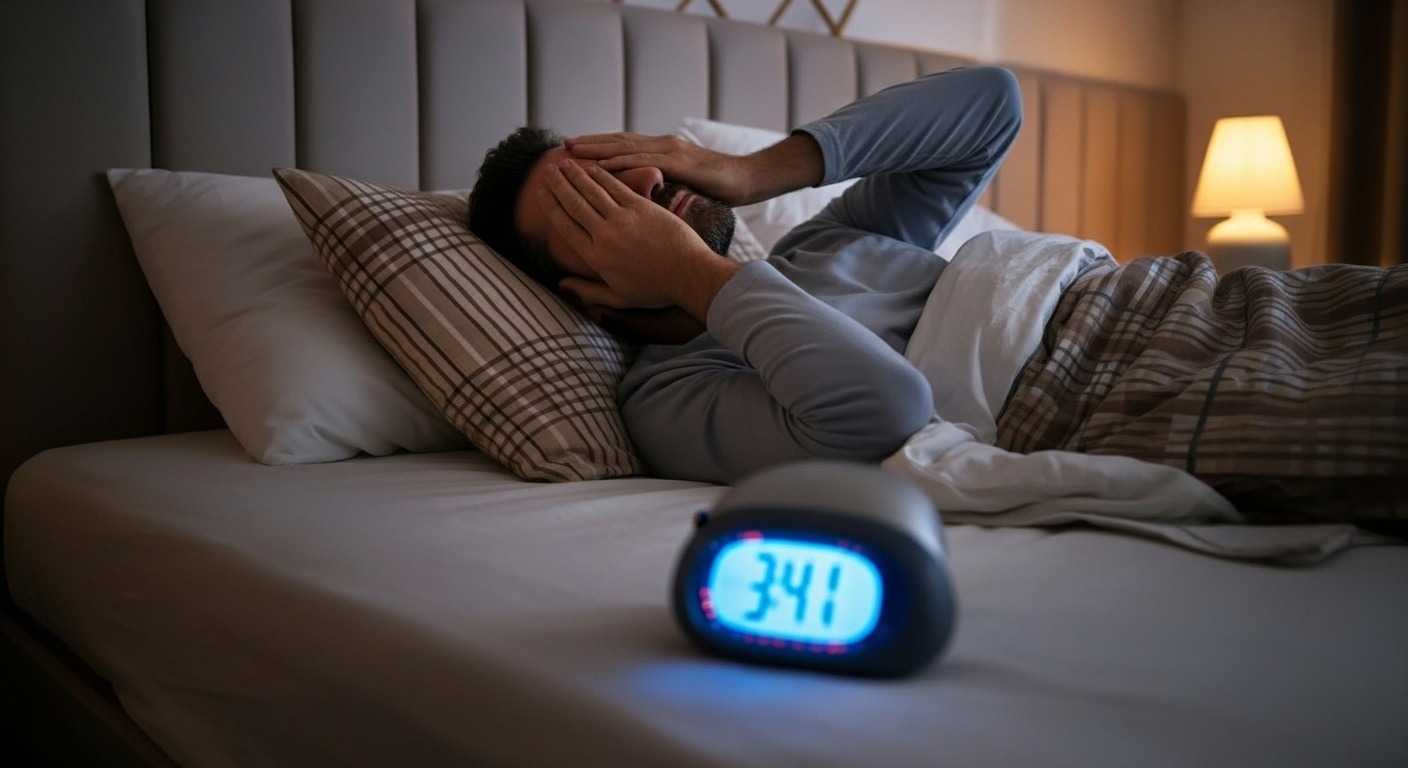
Sleep is not just a period of rest; it is a vital process essential for restoring energy to the body and mind. However, millions of people suffer from sleep disorders such as insomnia or fragmented sleep without realizing that the primary cause may be psychological. Anxiety, stress, and depression can directly impact sleep quality, while lack of sleep, in turn, worsens mental health, creating a vicious cycle that is difficult to break without proper intervention.
In this article, we explore the close relationship between sleep and mental health, key symptoms, and methods of treatment and prevention.
What Are Sleep Disorders?
Sleep disorders are problems that affect the ability to sleep well or stay asleep normally, leading to feelings of fatigue and exhaustion during the day.
Common types include:
– Insomnia
– Fragmented sleep
– Early awakening
– Excessive sleeping
– Recurrent nightmares
– Sleep phase disorders
How Does Sleep Affect Mental Health?
During sleep, the brain:
– Regulates hormones
– Processes emotions
– Stores memories
– Reduces neural tension
When sleep decreases, these functions are affected, resulting in:
– Increased irritability
– Poor concentration
– Mood swings
– Increased anxiety
– Reduced energy
The Relationship Between Insomnia and Anxiety
People suffering from anxiety often complain of:
– Excessive thinking before sleep
– Difficulty relaxing
– Frequent awakenings
– Feeling fear or tension at night
Anxiety keeps the brain in a constant state of alertness, preventing deep sleep.
The Relationship Between Sleep and Depression
Studies show that most people with depression experience sleep disturbances, such as:
– Difficulty falling asleep
– Very early awakening
– Sleeping for long periods without feeling rested
Lack of sleep can increase the severity of depression, while improving sleep significantly enhances mood.
Signs That Sleep Disorder Might Be Psychological
It may be psychological if insomnia is accompanied by:
– Persistent stress or sadness
– Loss of interest in daily activities
– Excessive thinking
– Headaches or physical pains without clear cause
– Fatigue despite sufficient sleep
Who Is Most Susceptible to Sleep Disorders?
– People under work or study stress
– New mothers
– Patients with anxiety or depression
– Those using their phones extensively before sleep
– People with irregular sleep schedules
How to Improve Sleep Naturally?
Lifestyle Regulation
– Sleep and wake at the same time daily
– Reduce long naps
– Exercise regularly
Creating a Sleep-Friendly Environment
– Turn off the lights
– Reduce noise
– Avoid using the phone at least an hour before bed
– Keep the room at a comfortable temperature
Reducing Stimulants
– Avoid coffee and stimulants in the evening
– Limit heavy meals before sleep
Mental Relaxation
– Breathing exercises
– Meditation or remembrance (dhikr)
– Light reading
– Warm bath
When Should You See a Doctor?
It is advised to consult a doctor if:
– Insomnia persists for more than two weeks
– Sleep affects work or study
– Clear symptoms of depression or anxiety are present
– There is a need for frequent use of sleeping pills
The patient may require psychotherapy sessions or medication under specialist supervision.
Summary
Sleep disorders are not a simple problem; they can be an important indicator of mental health imbalance. The relationship between sleep and mood is reciprocal; each influences the other directly. Improving sleep habits, reducing stress, and seeking medical help when needed are essential steps to maintaining mental and physical balance.
Scientific References
1. World Health Organization (WHO). Sleep and mental health – Updated 2023.
2. National Institutes of Health (NIH). Sleep disorders and depression – Updated 2024.
3. Centers for Disease Control and Prevention (CDC). Sleep and mental health conditions – Reviewed 2024.
4. American Academy of Sleep Medicine (AASM). Insomnia and behavioral treatments – 2023.
5. Mayo Clinic. Insomnia: Symptoms and causes – Reviewed 2024.