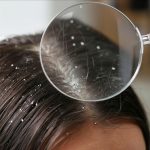

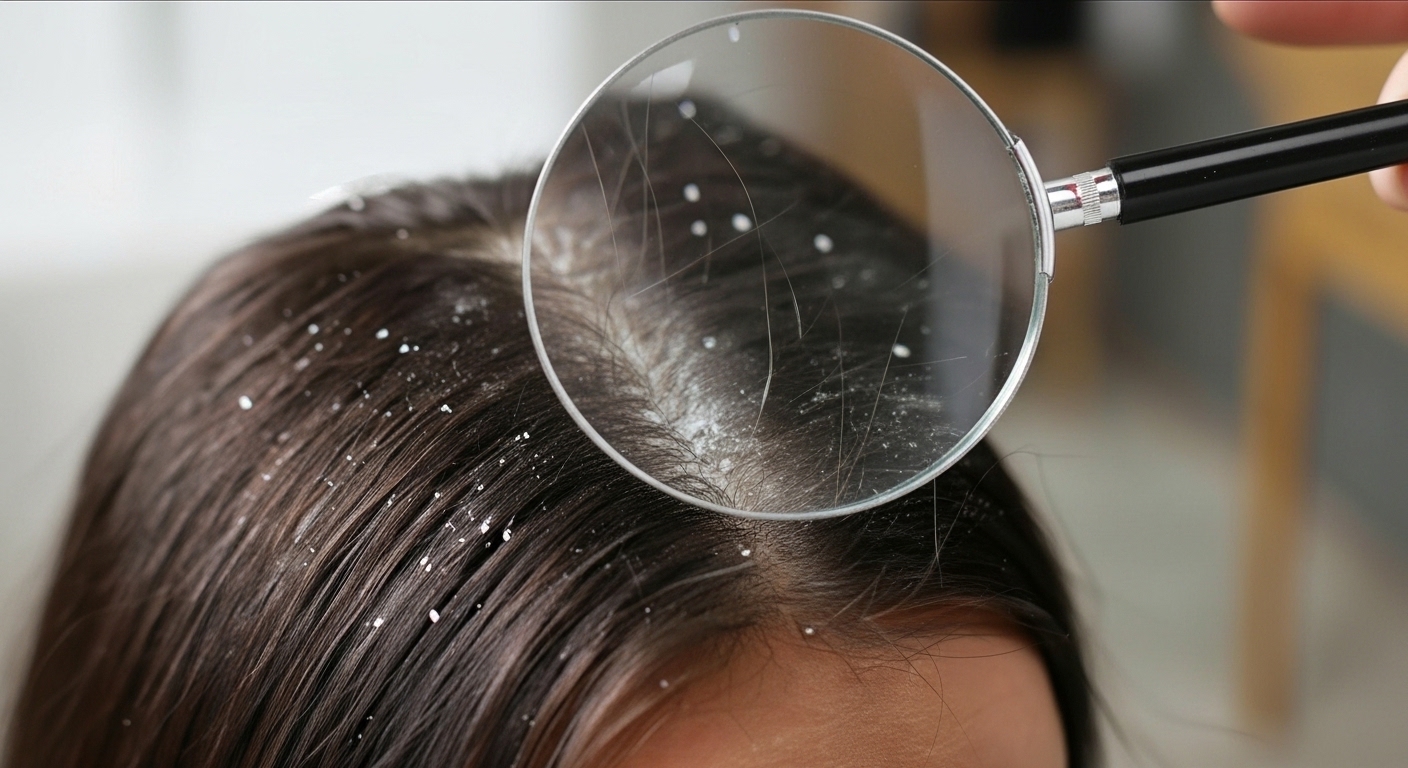
Dandruff is not just a minor cosmetic issue; it could be an indicator of an imbalance in the scalp’s health.
Many believe that any flaking means a fungal infection, leading them to use strong medicated shampoos that might worsen the problem if the root cause is simply dryness.
The scalp is a sensitive environment containing sebaceous glands, hair follicles, and a balanced community of microorganisms. Any disruption to this balance results in dandruff.
Therefore, understanding the true cause is the first step toward effective treatment.
How Does Dandruff Form?
The skin on the scalp continually renews itself. Under normal conditions, dead cells shed unnoticed.
However, when the renewal process accelerates or inflammation occurs, dead cells combine with oil and appear as visible flakes.
Factors influencing this process include:
– Sebum secretion disorder
– Changes in natural fungi
– Weakening of the skin barrier
– Climate changes
– Stress
– Deficiency in certain nutrients
First: Fungal Dandruff (Seborrheic Dermatitis)
This occurs due to increased activity of a natural fungus on the scalp called *Malassezia*.
This fungus feeds on oils, so it is more common in people with oily scalps.
Symptoms:
– Thick yellowish greasy flakes
– Itching, which may worsen at night
– Redness of the scalp
– Excess oil in the hair
– Flakes may extend to the eyebrows, sides of the nose, and behind the ears
Factors that exacerbate it:
– Psychological stress
– Sleep disturbances
– Hormonal changes
– Weakened immune system
– Use of heavy oils
– Irregular hair washing
Gradual Medical Treatment:
1. Shampoo containing 2% ketoconazole twice weekly
2. Or shampoo with selenium sulfide
3. Or zinc pyrithione shampoo
4. In severe cases, the doctor may prescribe a mild corticosteroid lotion for a short period
5. Reduce oiliness on the scalp
The treatment duration typically ranges from 2 to 4 weeks, followed by weekly preventive use.
Second: Dandruff Due to Dry Scalp
This type is entirely different.
There is no excess fungus; instead, the problem lies in the loss of natural moisture.
Symptoms:
– Small, light white flakes
– Tight or mildly itchy scalp
– No oily shine
– Increases during winter
– Improves quickly with hydration
Causes of dryness:
– Daily washing with strong shampoo
– Using very hot water
– Exposure to dry air
– Insufficient water intake
– Using a hairdryer at high heat
– Deficiency in omega-3 fatty acids
Treatment Plan:
– Use a hydrating shampoo free of harsh sulfates
– Reduce washing frequency
– Apply a moisturizing scalp tonic containing panthenol or aloe vera
– Drink sufficient water
– Use a light oil in small amounts before washing
Improvement usually appears within two weeks.
Does Dandruff Cause Hair Loss?
Dandruff itself does not cause permanent baldness.
However, chronic inflammation and intense itching can lead to:
– Weakening of hair roots
– Hair breakage
– Temporary shedding
Treating dandruff often improves associated hair loss.
The Role of Nutrition in Reducing Dandruff
Some nutritional deficiencies can worsen the problem, such as:
– Zinc deficiency
– Vitamin B deficiency
– Omega-3 deficiency
– Anemia
A balanced diet rich in vegetables, proteins, and nuts helps stabilize scalp health.
Common Mistakes That Worsen Dandruff:
– Applying heavy oils on an oily scalp
– Using unstudied home remedies
– Scratching the scalp with nails
– Continuously changing shampoos
– Overusing hair styling products
When Should You Consult a Dermatologist?
– If dandruff persists for more than a month without improvement
– If accompanied by pain or bleeding
– If there is severe hair loss
– If flakes spread beyond the scalp
– If psoriasis of the scalp is suspected
Long-term Prevention:
– Choose products suitable for your scalp type
– Avoid stress
– Maintain good nutrition
– Don’t over-wash hair
– Follow up with a doctor if the problem recurs
Summary
Dandruff is not a single condition but two very different scenarios:
Either a fungal seborrheic disorder requiring antifungal treatment, or dryness needing hydration and gentle care.
Accurate diagnosis saves time and effort and prevents worsening of the condition.
Taking care of the scalp is an essential part of hair health, not just a cosmetic step.
Scientific References:
1. American Academy of Dermatology. Dandruff: Causes and treatment. Updated 2024.
2. National Institutes of Health. Seborrheic Dermatitis – MedlinePlus Medical Encyclopedia. Reviewed 2023.
3. Mayo Clinic. Dandruff: Symptoms and causes. Updated 2024.
4. Cleveland Clinic. Dry scalp vs dandruff: Differences and treatments. Reviewed 2023.
5. National Health Service. Seborrhoeic dermatitis – Treatment guidelines. Updated 2024.
6. World Health Organization. Skin health and hygiene recommendations. 2023.